Exploring the Mystery of Shuree Lodge in New Mexico’s Valle Vidal
The Valle Vidal is one of my favorite places in northern New Mexico. Over the years, I’ve made multiple trips into this incredible valley, drawn back by the wildlife, mountain views, quiet meadows, and feeling that you’ve stepped into a part of New Mexico that hasn’t changed much with time.
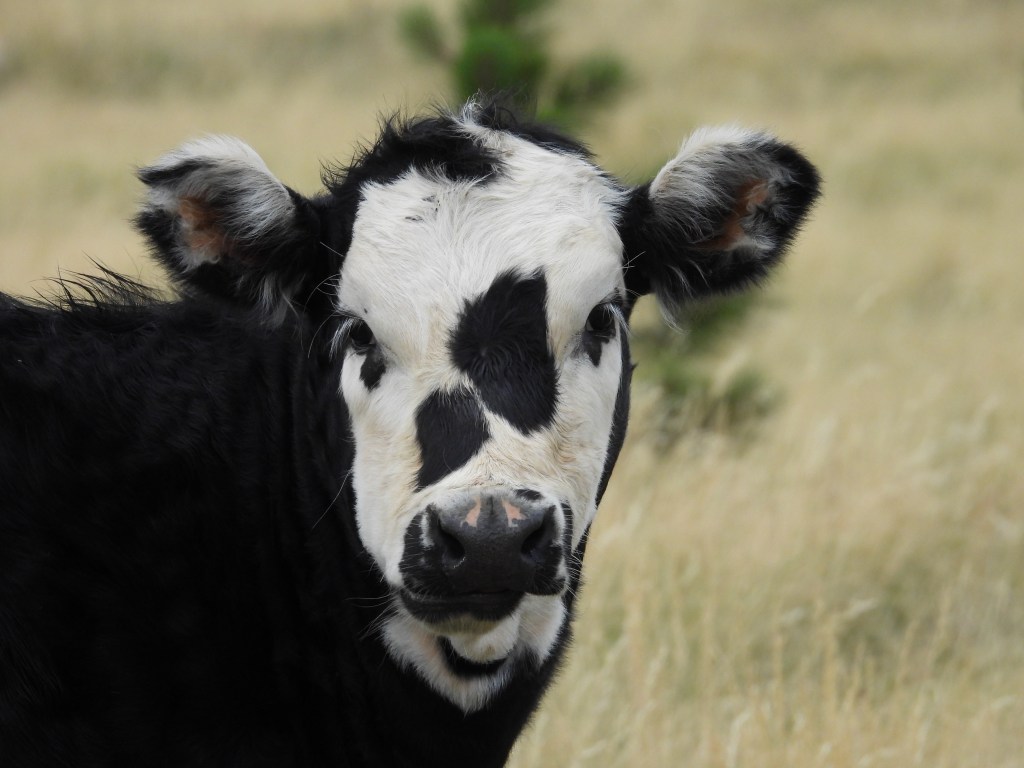
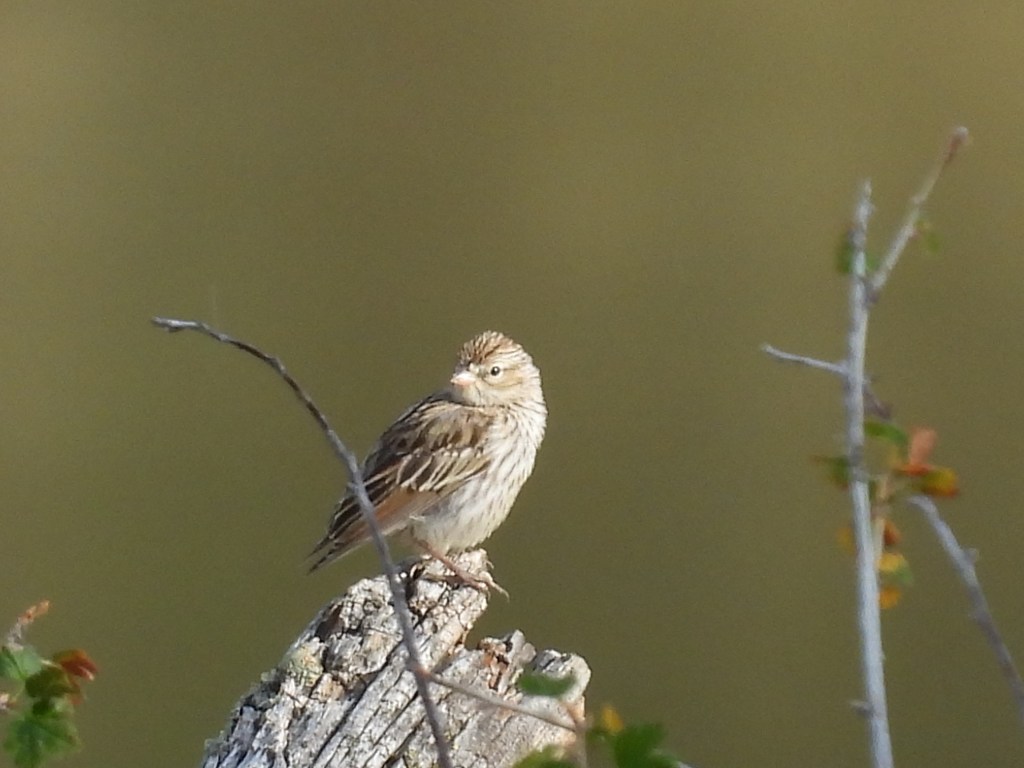
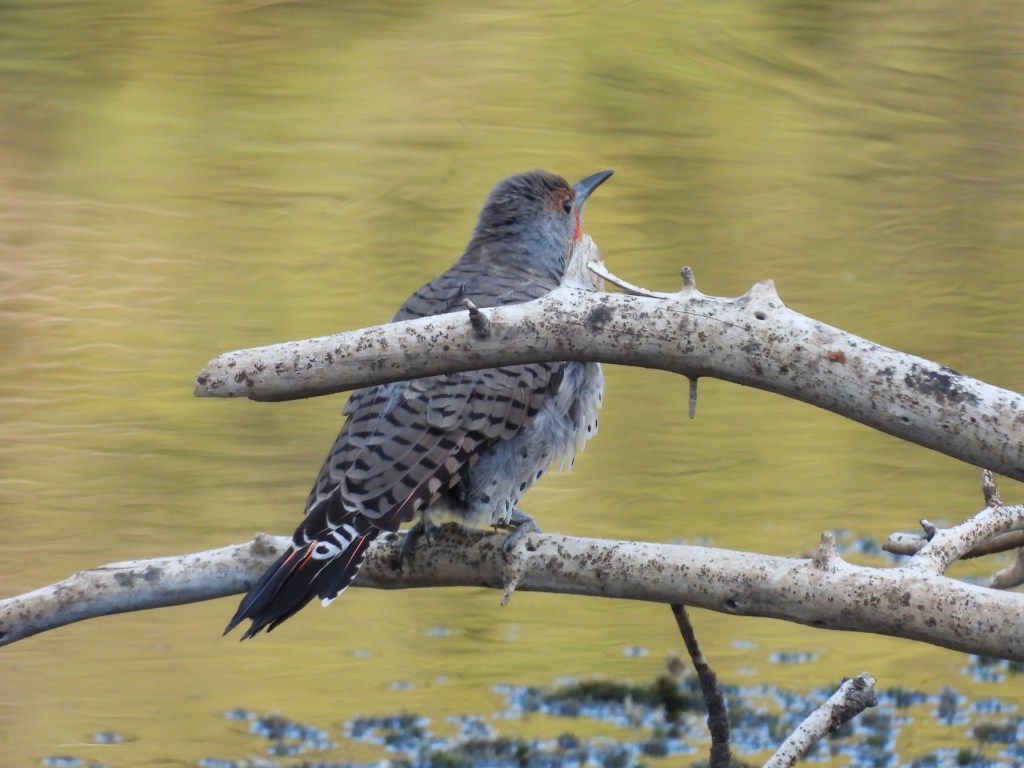
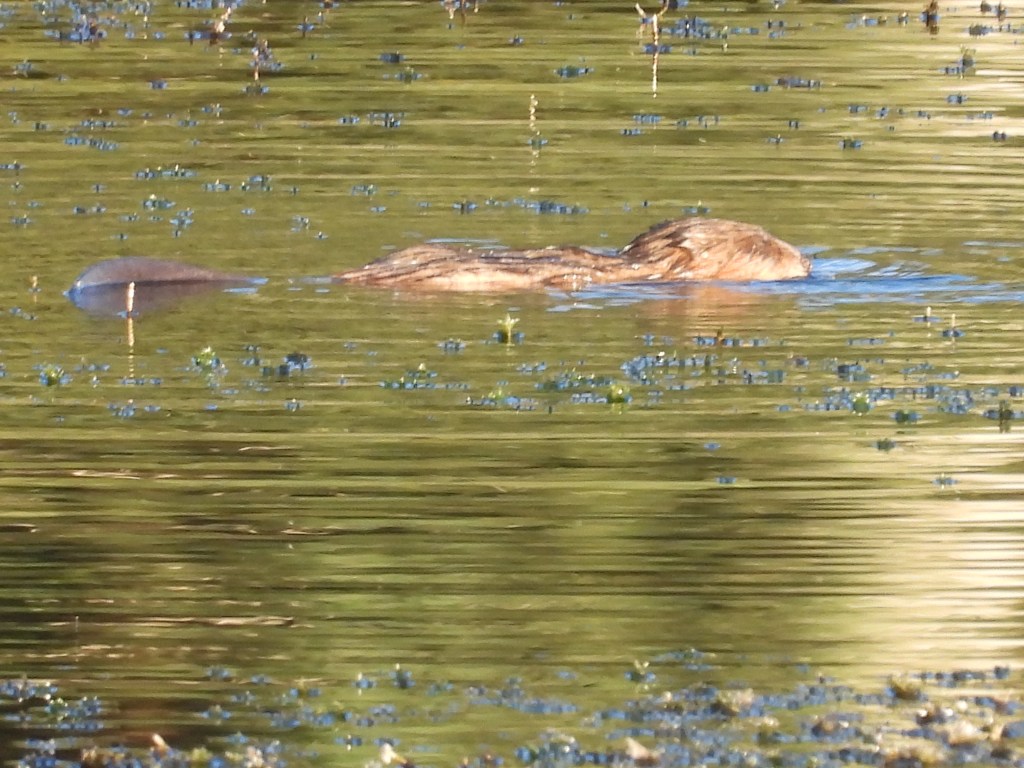
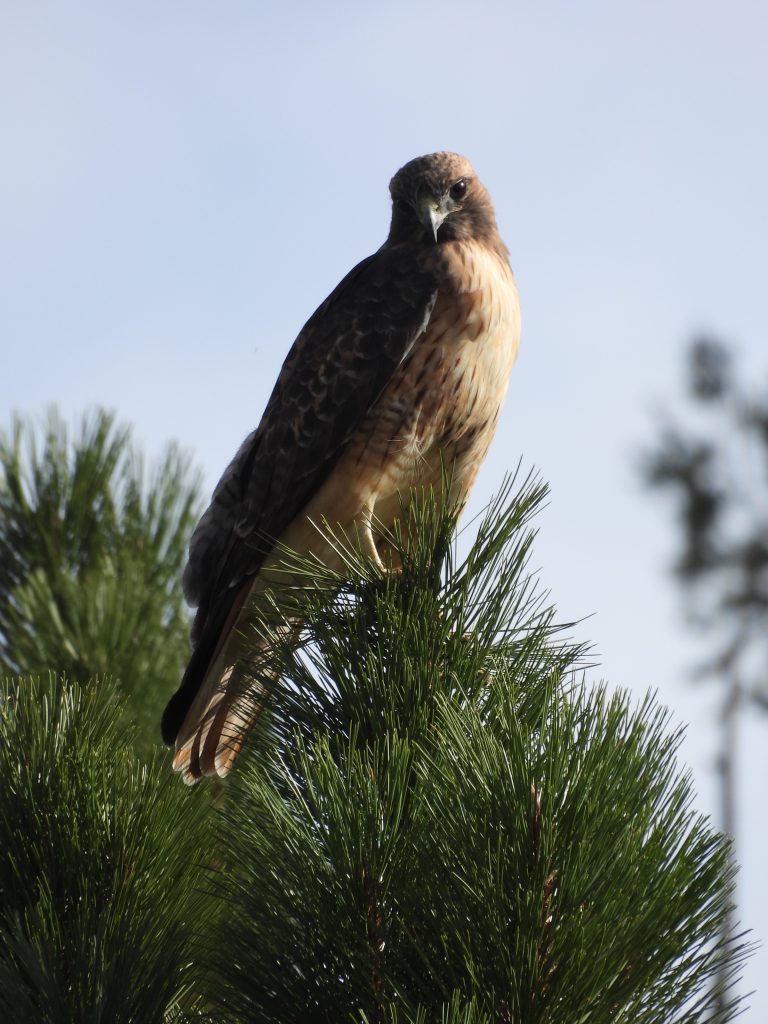
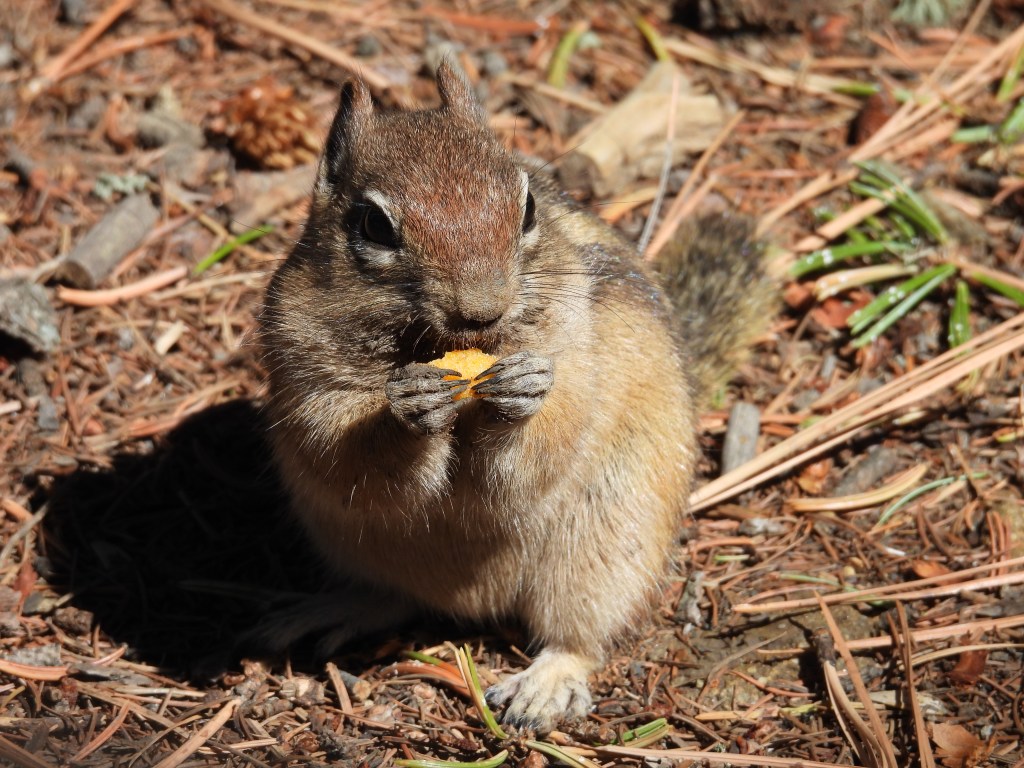
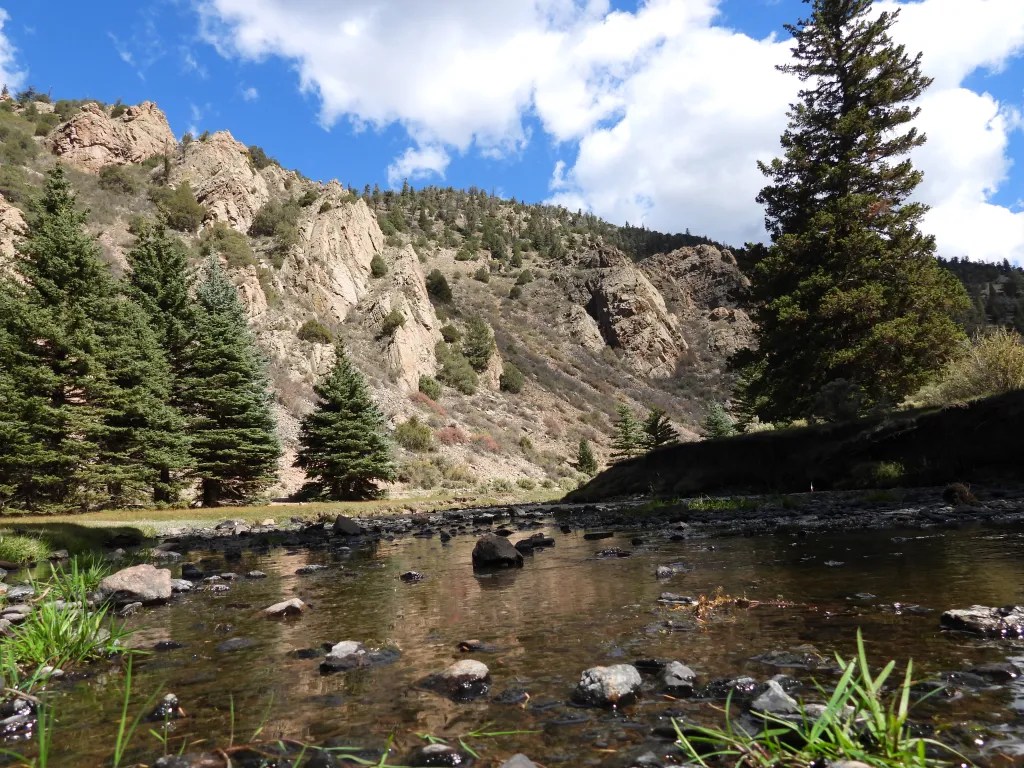
Every visit seems to reveal something new. One of those discoveries was Shuree Lodge.
I’ve now visited the lodge three separate times, and each visit has left me with more questions than answers.
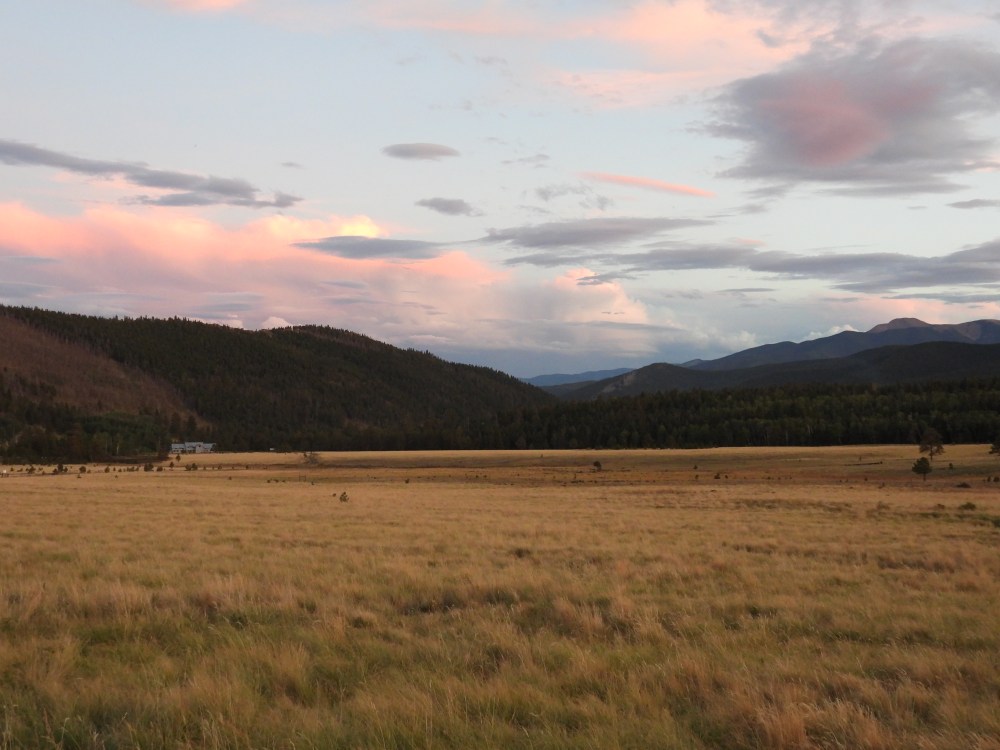
Tucked away in a meadow near Shuree Ponds, the massive abandoned building sits beneath the mountains surrounded by forest and open grassland. From a distance, it almost blends into the landscape. Up close, it is impossible to ignore.
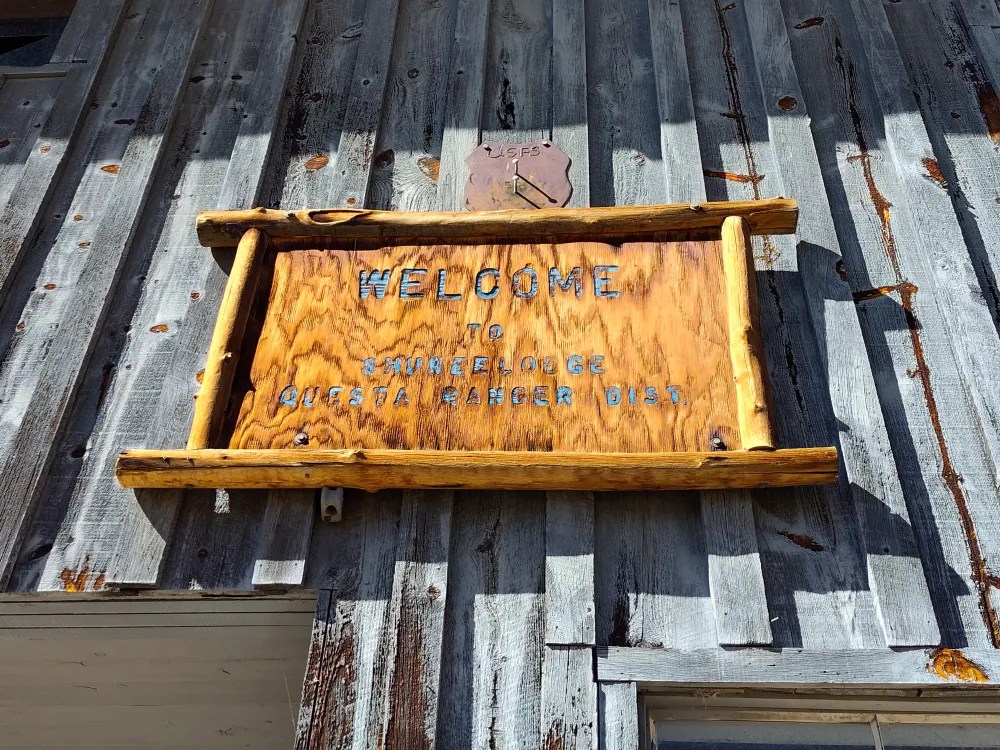
The first time I saw it, I assumed it was an old ranger station. The more I explored, though, the more I realized this place was something much bigger. A weathered sign identified it as Shuree Lodge, and stepping inside felt like stepping into a forgotten piece of New Mexico history.
A Place Frozen in Time
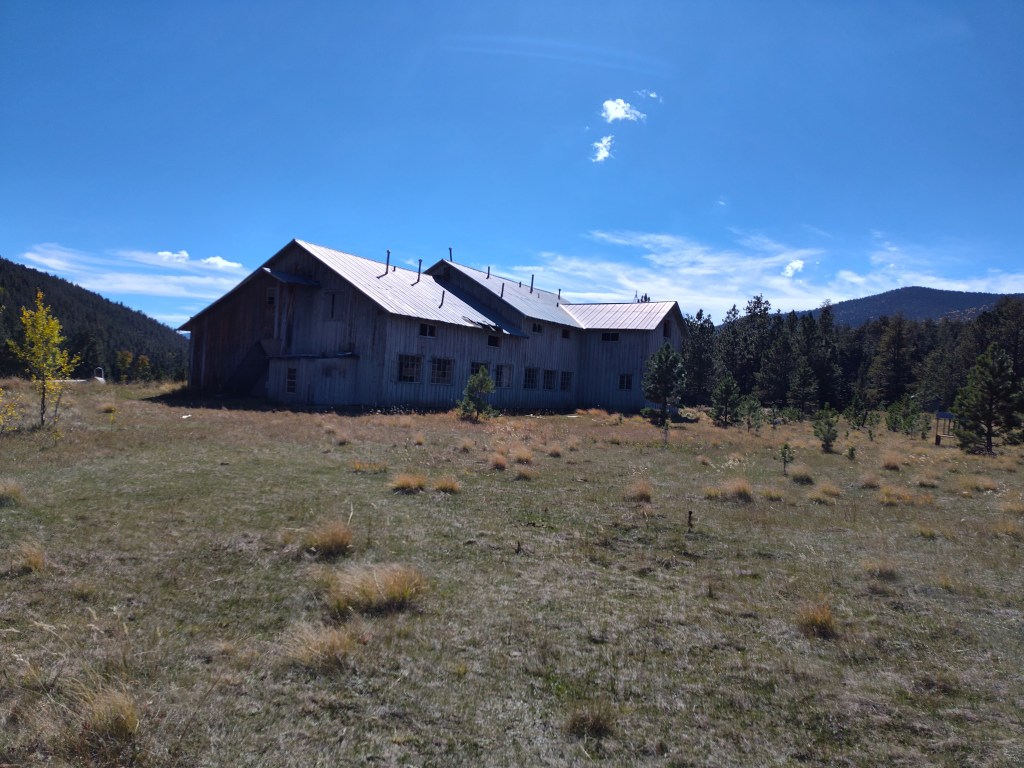
What surprised me most wasn’t the size of the building.
It was how much was still inside.
Room after room contained pieces of the past.
There were bedrooms with beds still sitting in place. Curtains still hung in some of the windows. Bathrooms and showers remained intact. Old furniture, refrigerators, storage rooms, and even a large commercial kitchen were still there.
As I explored further, I found numbered guest rooms, a dining hall, workshops, equipment storage areas, and a pantry large enough to support a sizeable group of people.
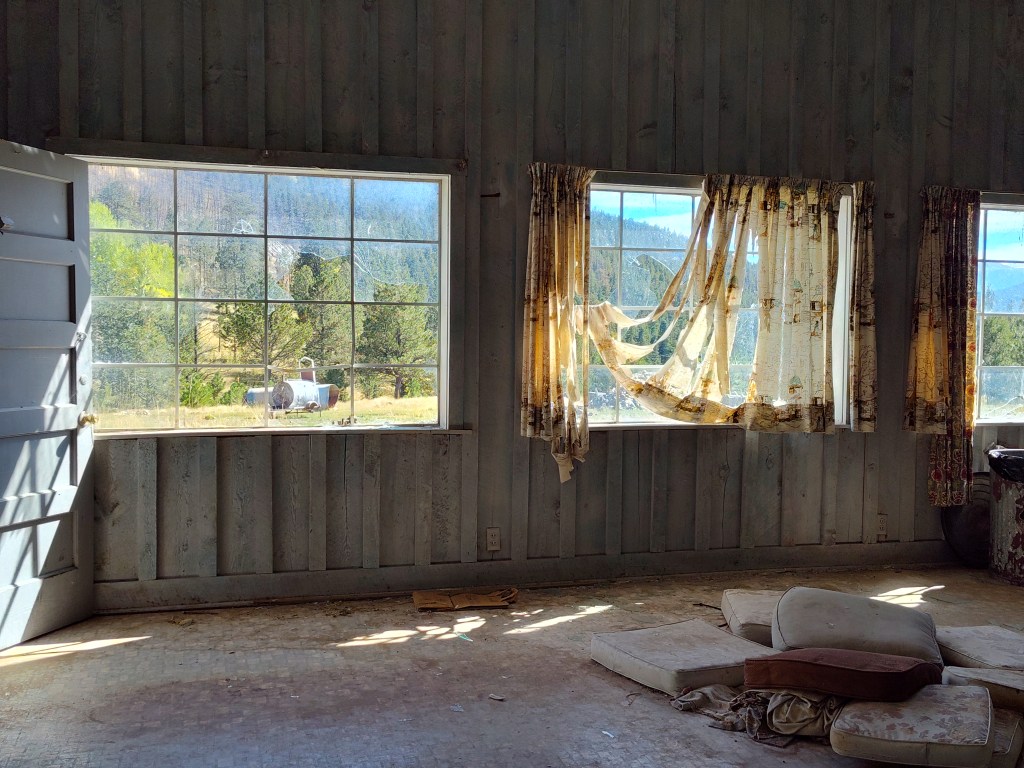
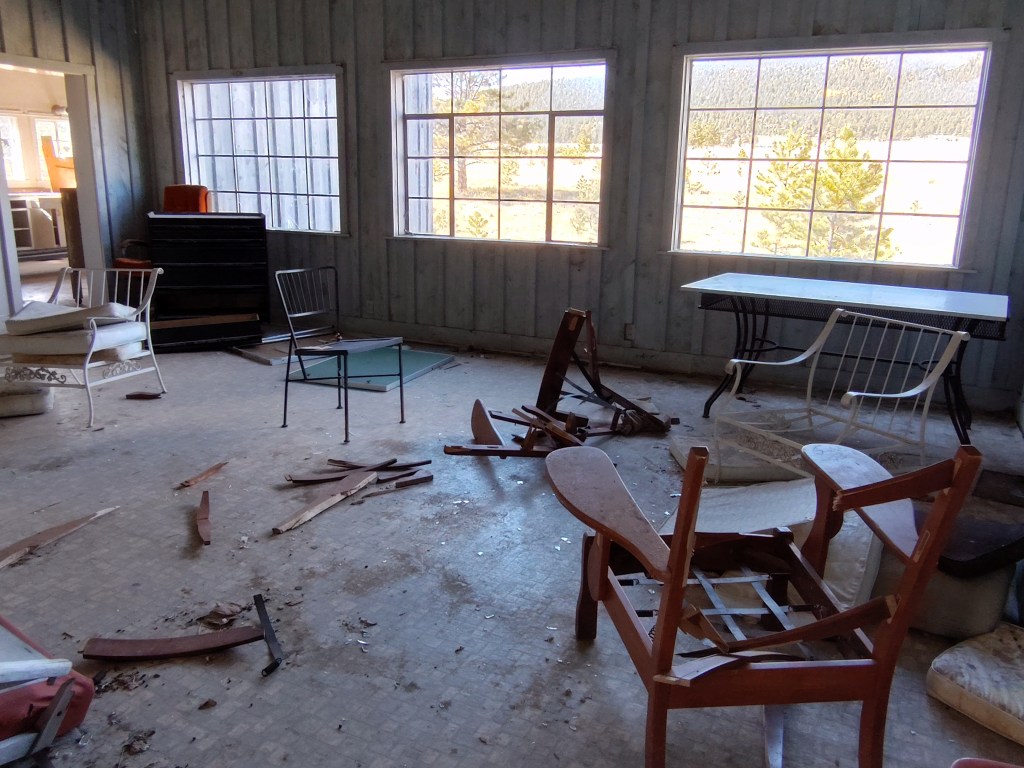
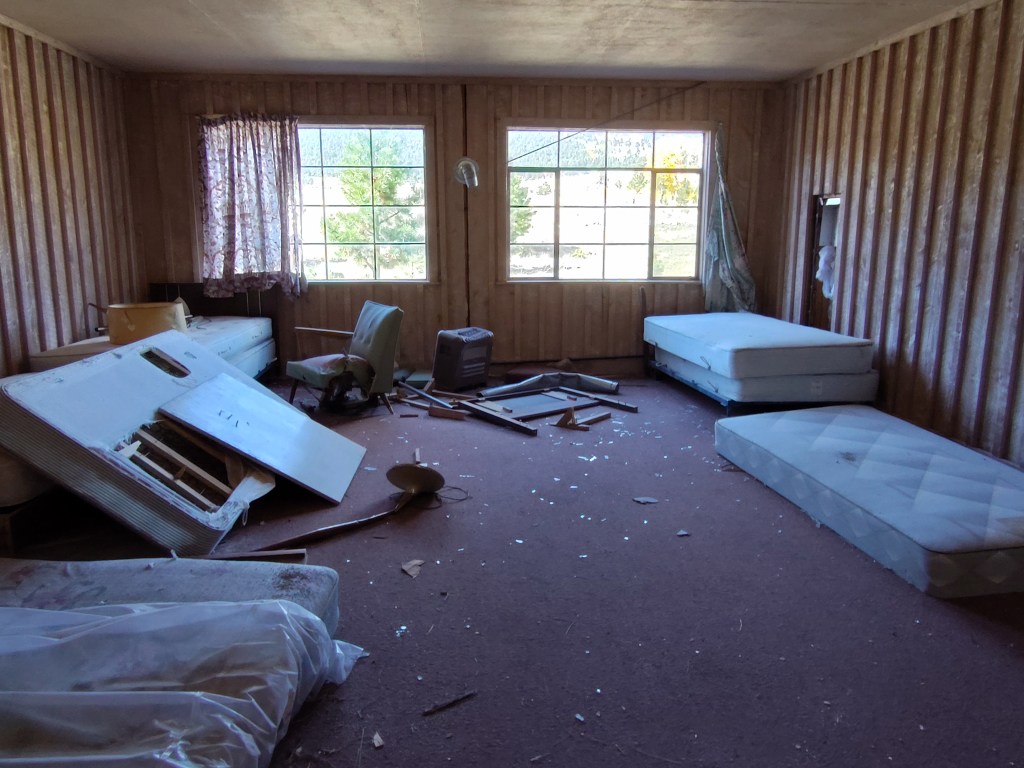
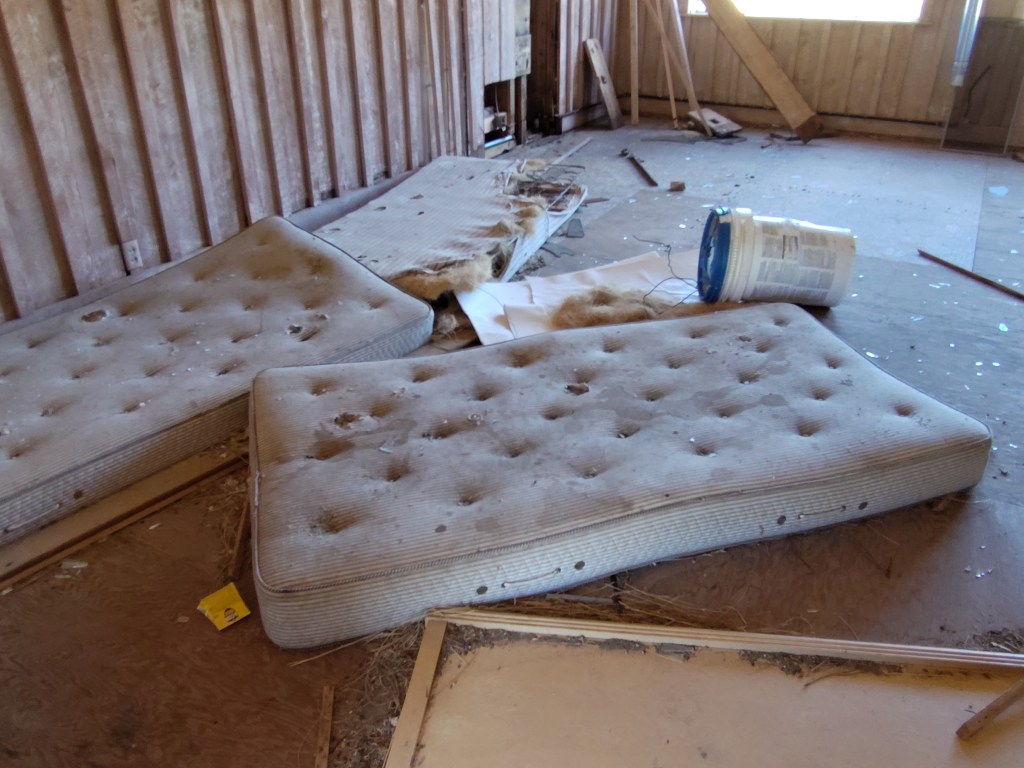
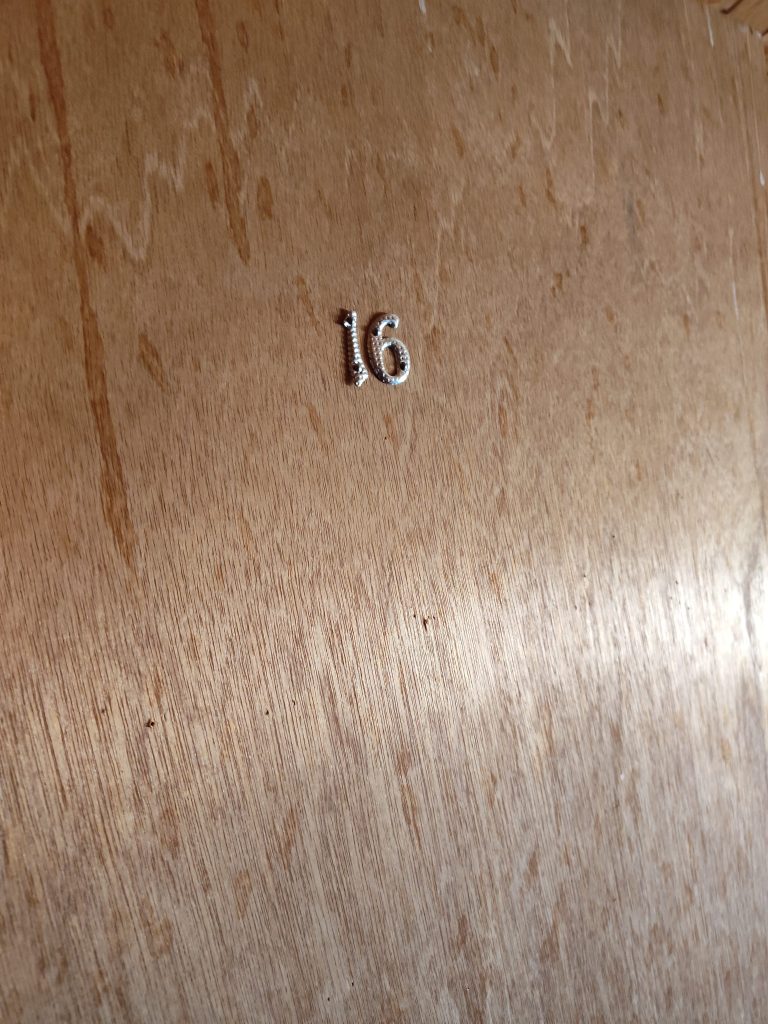
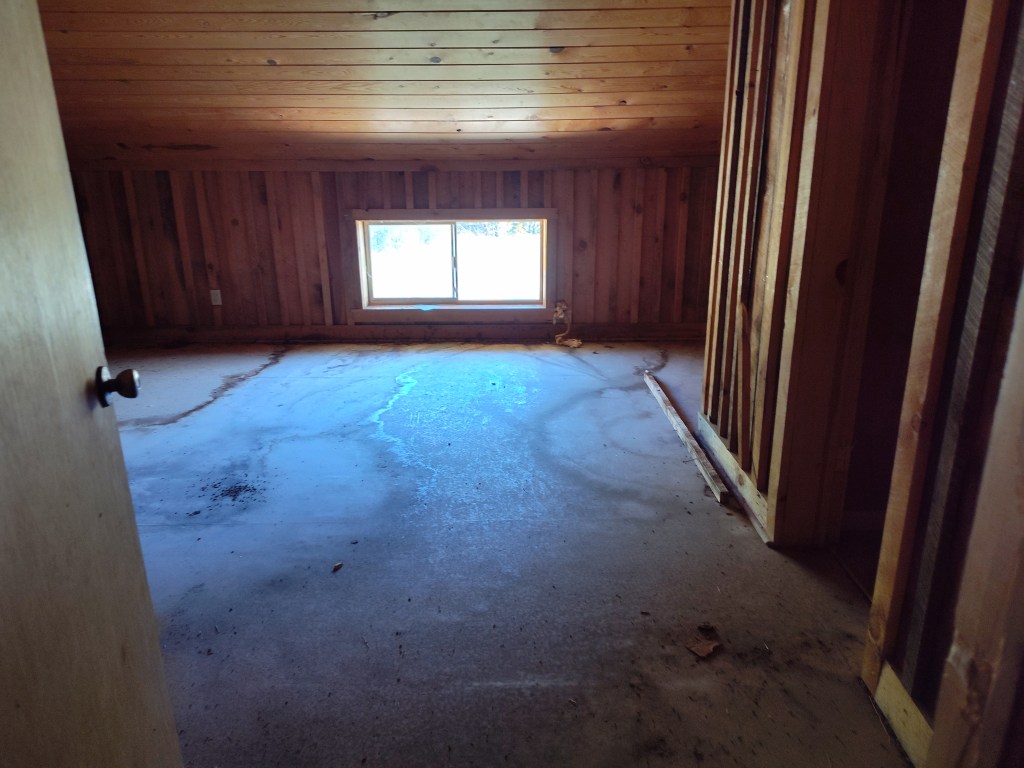
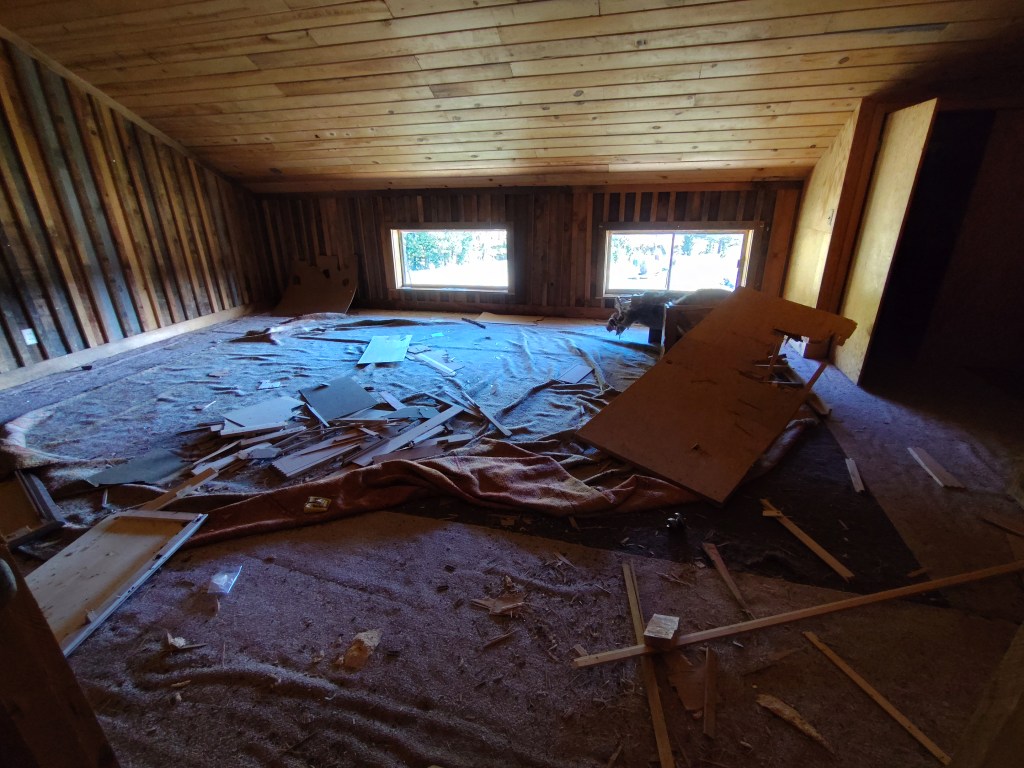
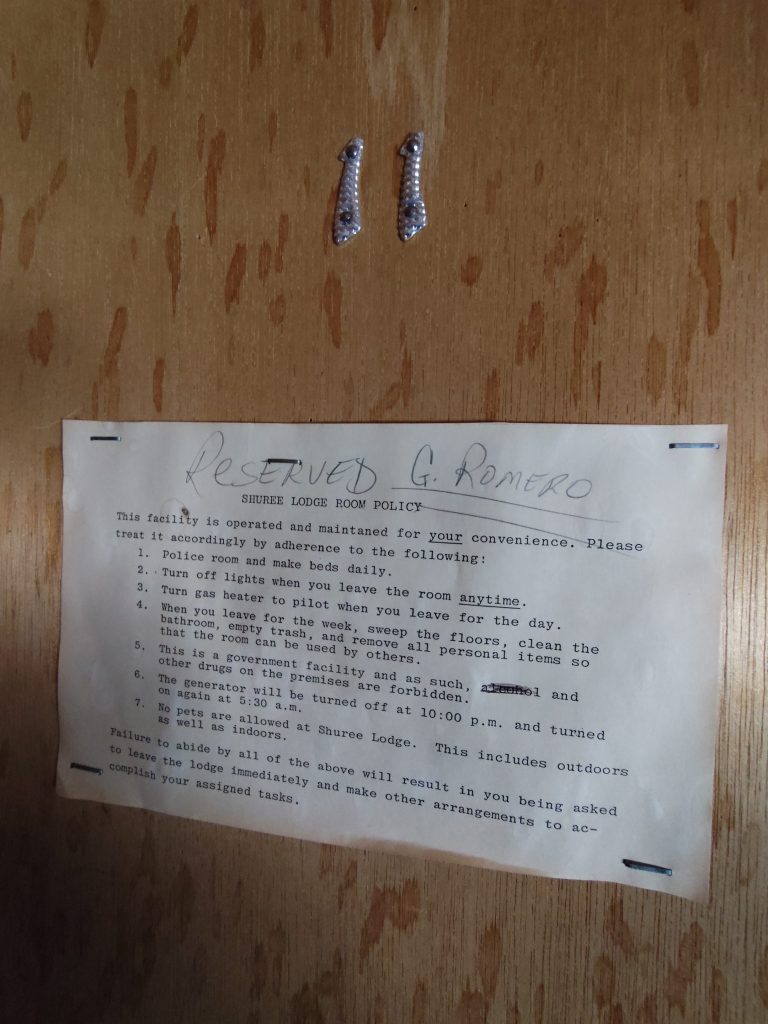
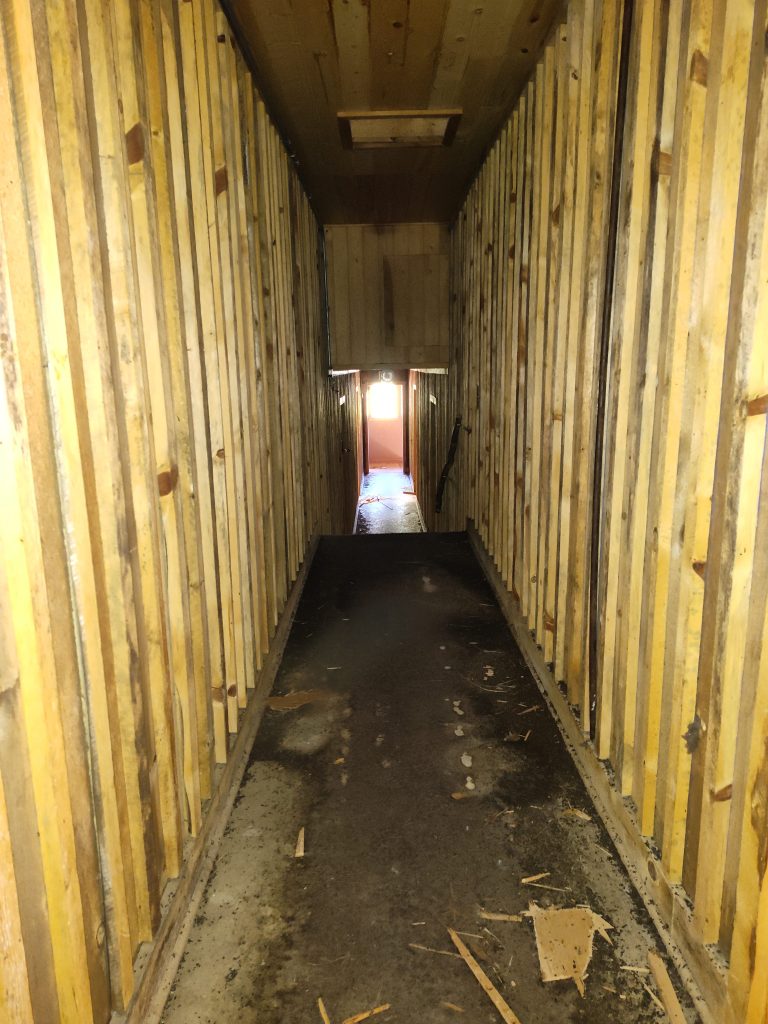
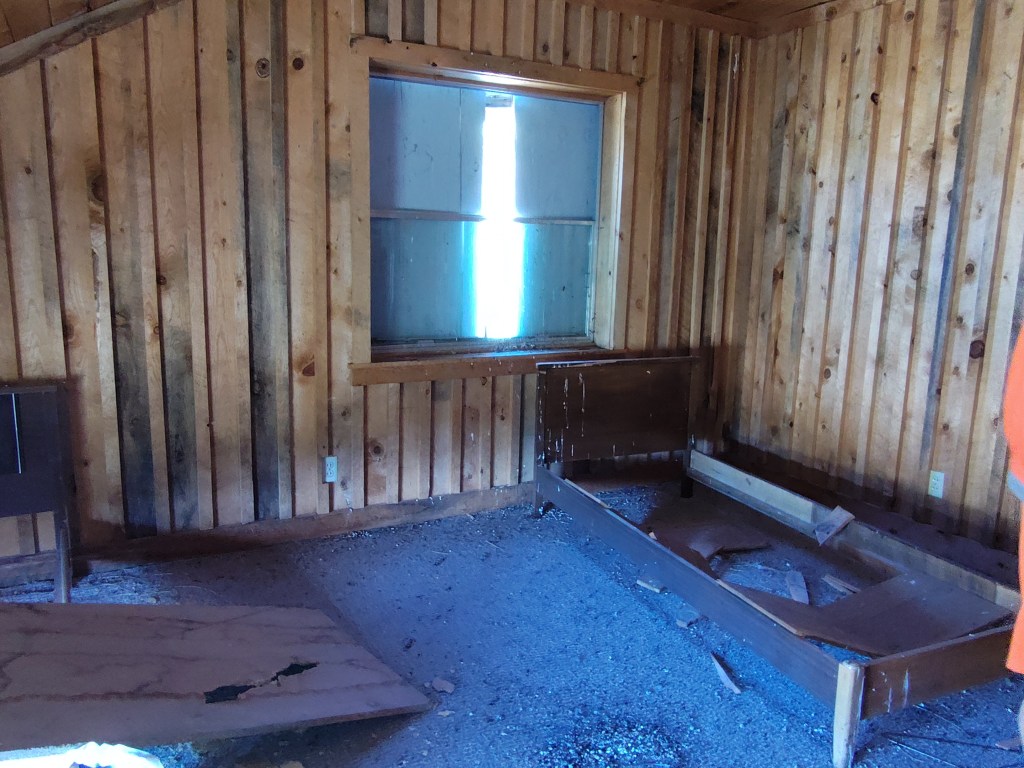
(The gallery was taken on 10/10/26 with my cell phone)
The strangest part was that it didn’t feel like a place where everyone packed up and moved out.
Instead, it felt as though someone simply locked the doors one day and never came back.
The History We Know
The exact history of Shuree Lodge is surprisingly difficult to find.
Despite spending hours researching, I have not been able to find an official construction date for the building. However, based on the architecture, surviving furnishings, and references describing it as a “mid-20th century hunting lodge,” my best estimate is that Shuree Lodge was built sometime between the 1940s and early 1960s.
The design certainly fits that era. The large communal spaces, simple guest rooms, commercial kitchen, and practical layout suggest a facility built to accommodate groups of people in a remote location. While I can’t confirm the exact year, the mid-century estimate seems to fit both the physical evidence and the known history of the area.
What we do know is that the area was once part of the massive Vermejo Park Ranch, which grew out of land purchased by William H. Bartlett in 1902. Over the years, the ranch became a well-known hunting and fishing preserve that attracted wealthy visitors looking to experience the wilderness of northern New Mexico. Bartlett also reintroduced elk and developed recreational facilities throughout the property. [en.wikipedia.org], [nmgs.nmt.edu]
The Valle Vidal remained part of the ranch for decades. In 1973, the ranch was sold to a subsidiary of Pennzoil, and in 1982 the Valle Vidal portion was donated to the federal government and became part of the Carson National Forest. [fs.usda.gov], [docslib.org]
One online description of Shuree Lodge refers to it as an abandoned “mid-20th century hunting lodge.”
Looking at the building itself, that possibility makes sense.
Shuree Lodge is far too large to have been a simple cabin. Standing in the meadow and looking at its multiple wings and long rooflines, it is easy to imagine groups of hunters, ranch staff, guides, cooks, and guests gathering there throughout the year.
A Second Life as a Government Facility?
The deeper I dug into the lodge’s history, the more evidence I found that the building may have had a second chapter.
Inside the lodge, I discovered a document titled “Shuree Lodge Room Policy.” The paper referred to the property as a government facility and included rules for occupants, including instructions for operating the generator.
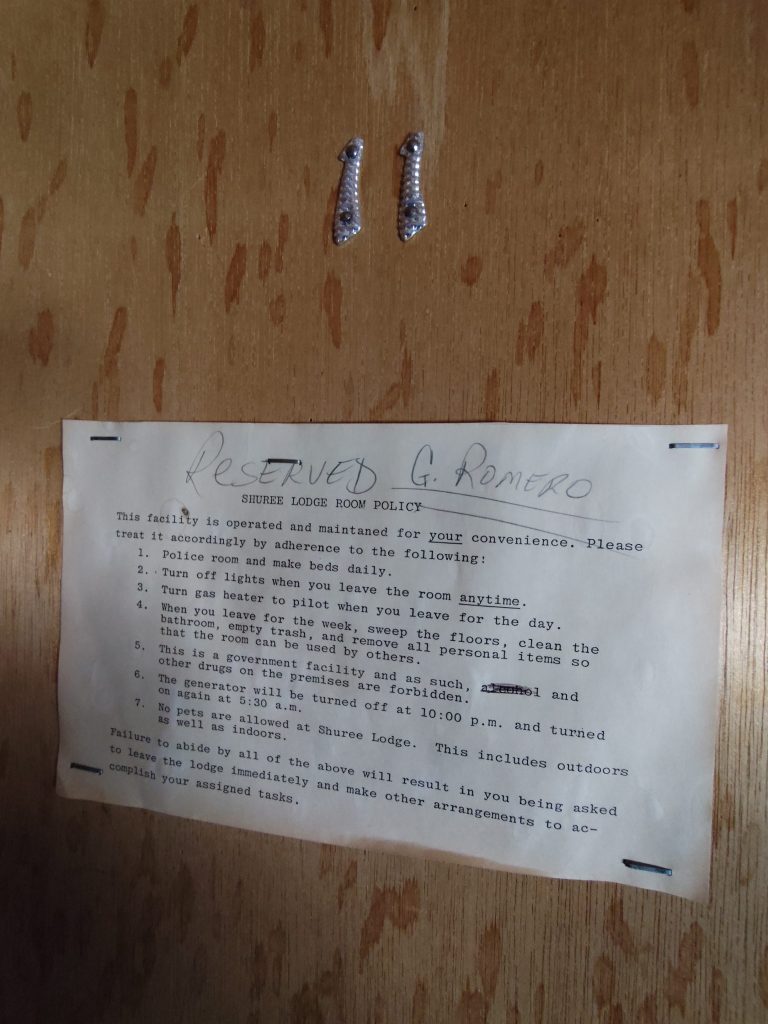
That discovery sent me down a rabbit hole of research.
Eventually, I found a government record from 1984 titled Shuree Lodge Water System For Carson NF-Questa Rd. The record documents a water-system project associated with Shuree Lodge after the Valle Vidal was transferred to federal ownership. [core.tdar.org], [core.tdar.org]
To me, that suggests the building remained in active use after 1982.
Based on what I found inside, my personal theory is that Shuree Lodge was eventually used as housing and an operations center for people working in the remote Valle Vidal.
The evidence seems to support that idea:
- A commercial-sized kitchen
- A large dining or meeting room
- Multiple guest rooms
- Dormitory-style sleeping spaces
- Bathrooms and showers
- Maintenance and workshop areas
- Equipment storage rooms
- A large pantry
It feels less like a vacation lodge and more like a self-contained facility designed to support people working in the backcountry for extended periods of time.
Why Was It Abandoned?
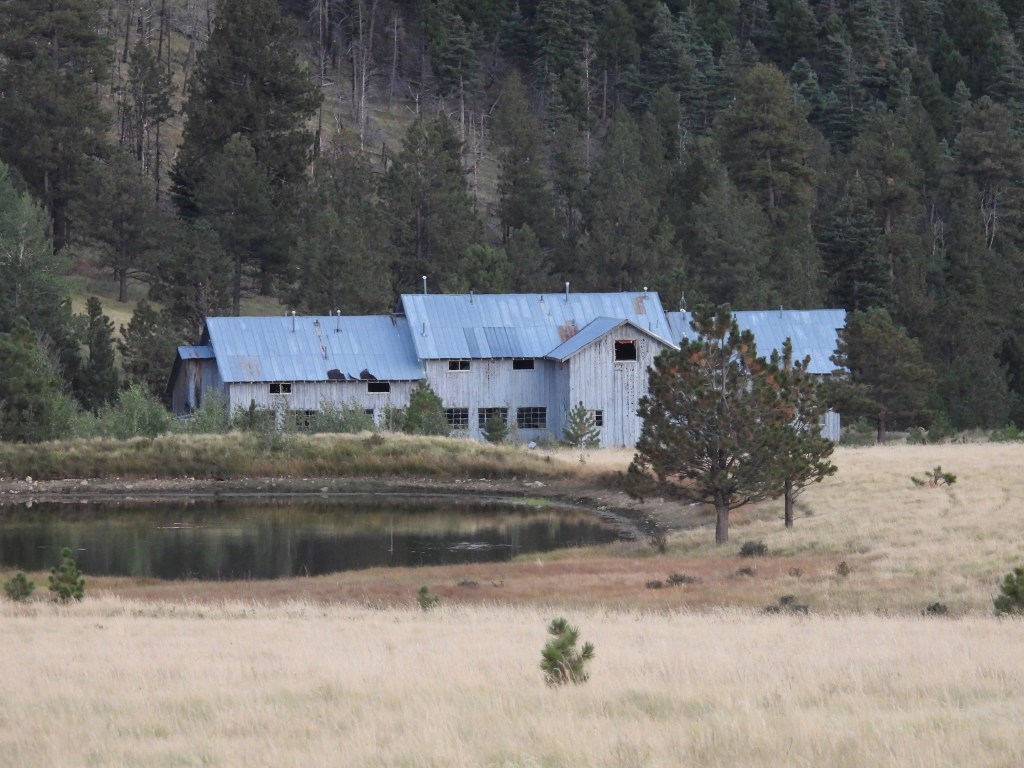
That’s the question I still haven’t been able to answer.
Despite spending hours researching the lodge, I have found no official explanation for why it was closed.
Maybe it became too expensive to maintain.
Maybe changing management needs made it unnecessary.
Maybe the infrastructure became too costly to repair.
Whatever happened, the building was eventually left behind.
Unfortunately, time has not been kind to it.
I also discovered photographs taken in 2017 by another explorer. Those photos show the lodge was already abandoned at the time but appeared to be in noticeably better condition than it is today. Many windows were still intact, and the vandalism seems to have been far less severe. [flickr.com]
Seeing those older photographs made me realize just how much deterioration has occurred in less than a decade.
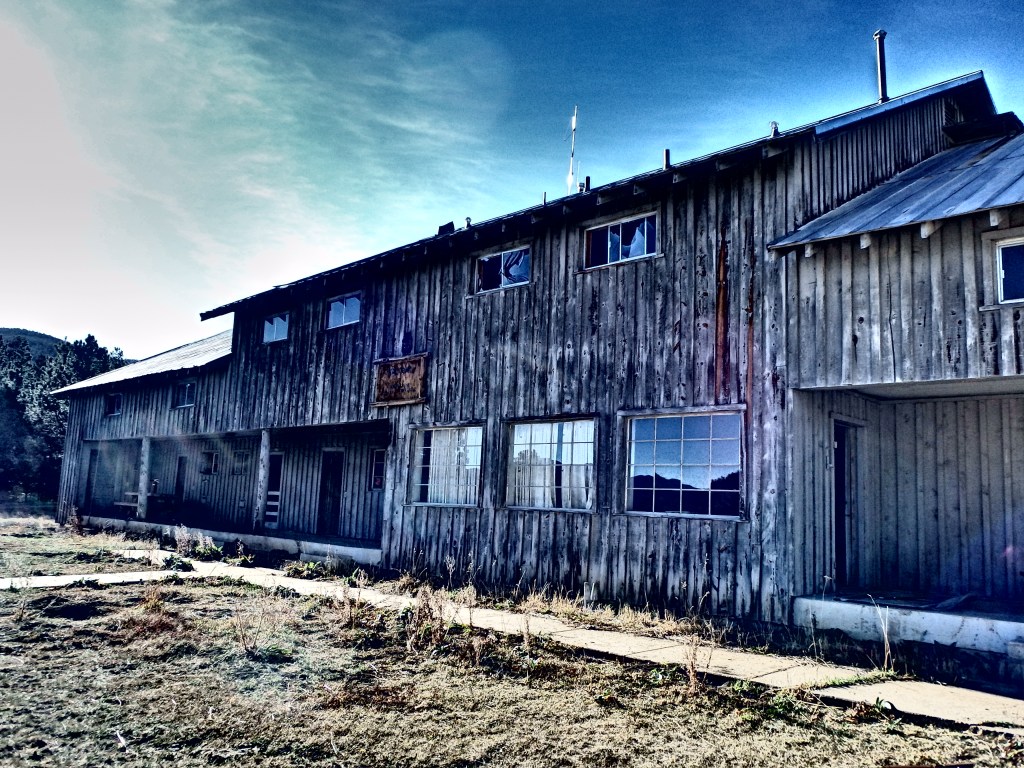
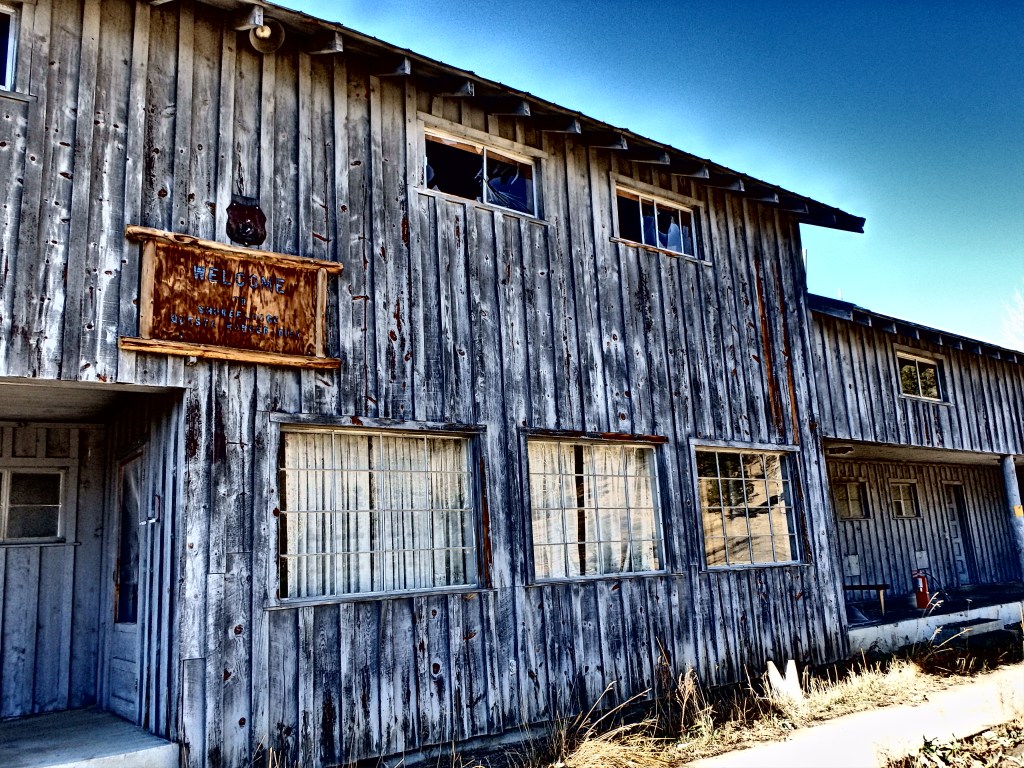
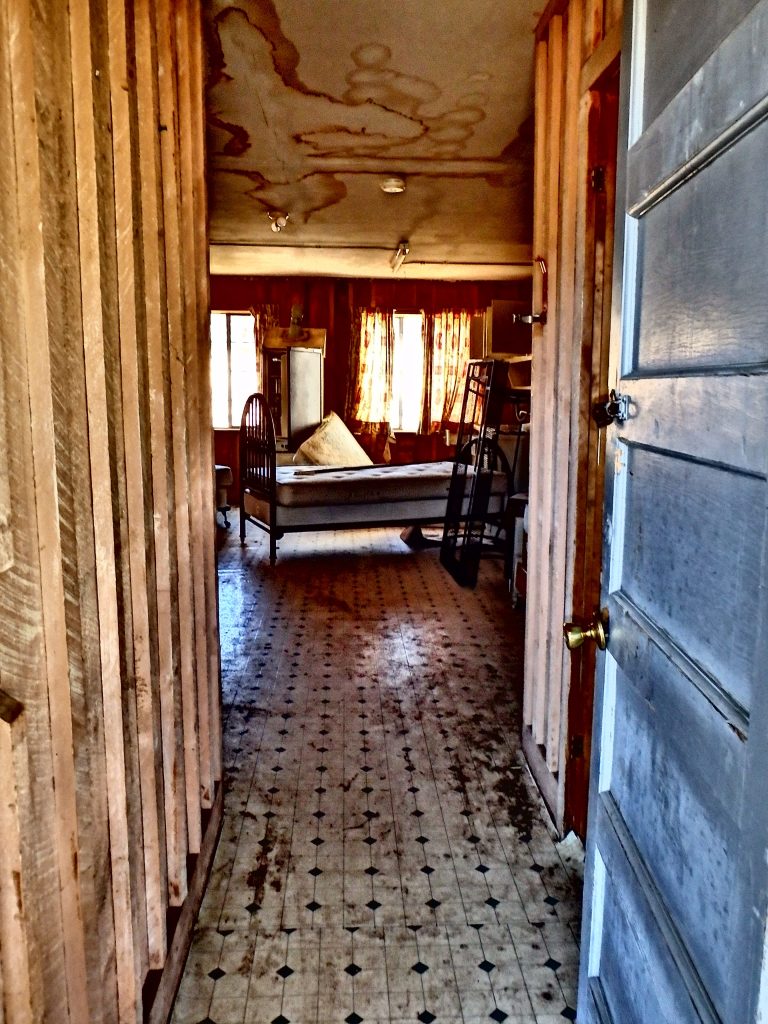
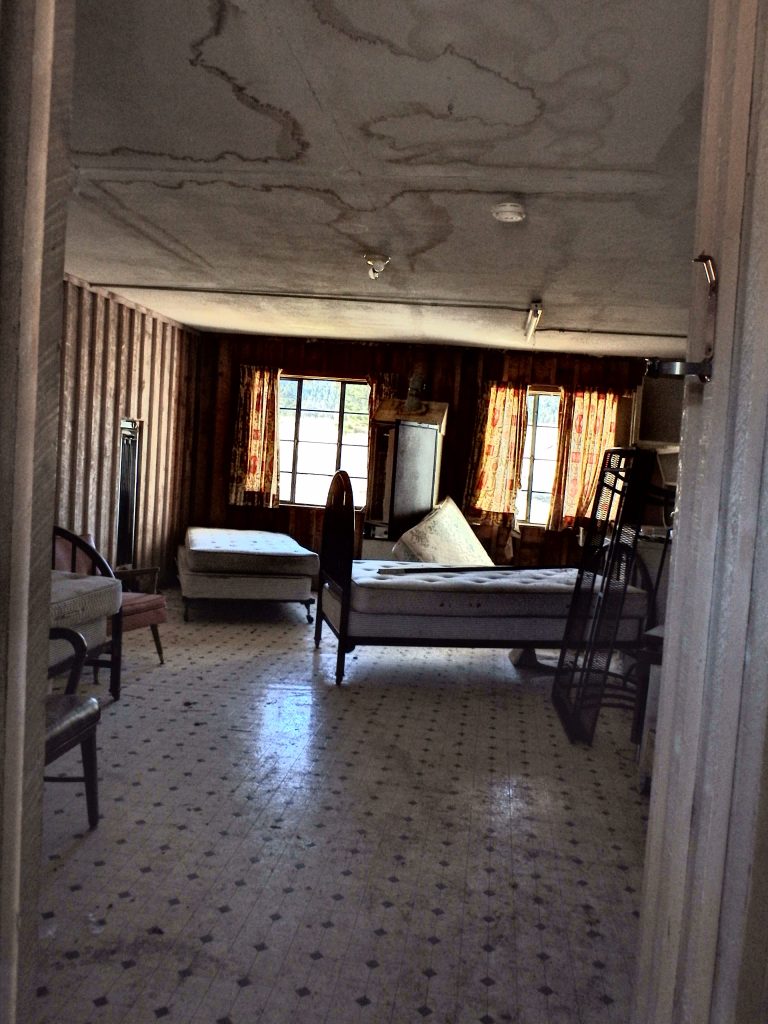
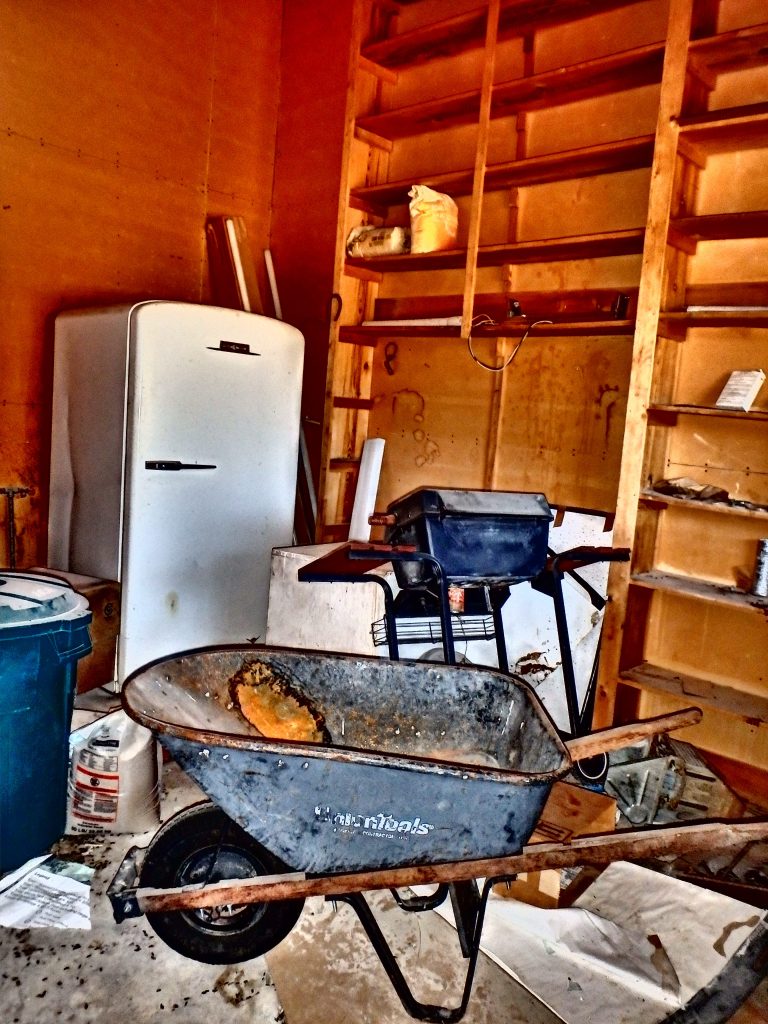
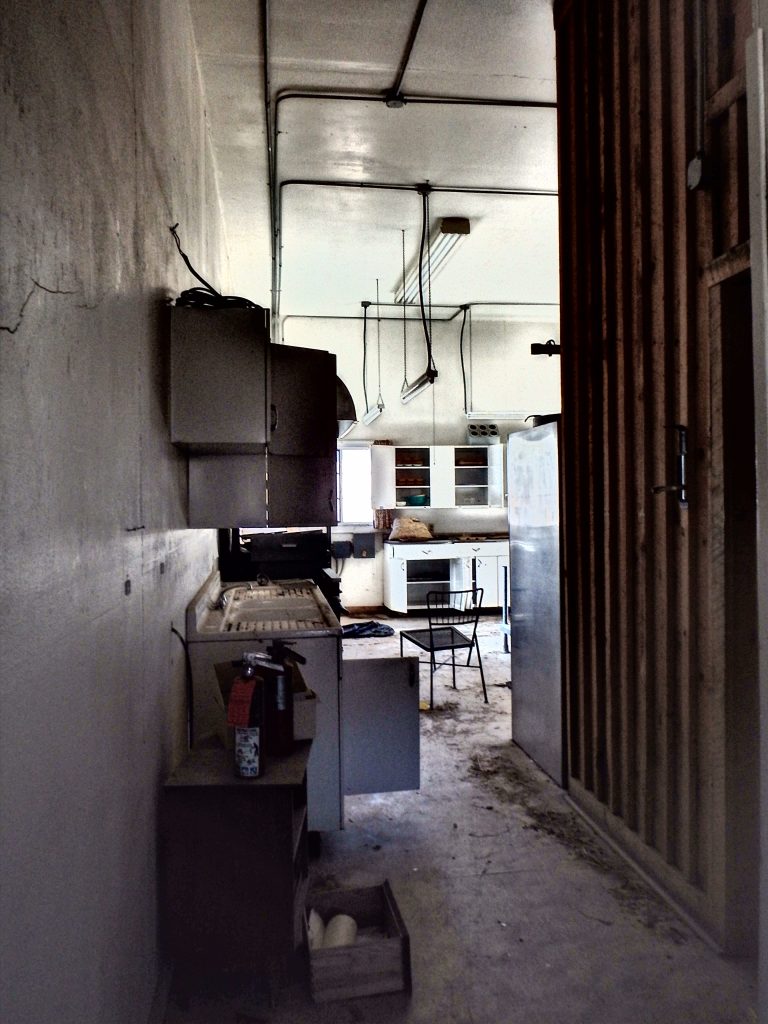
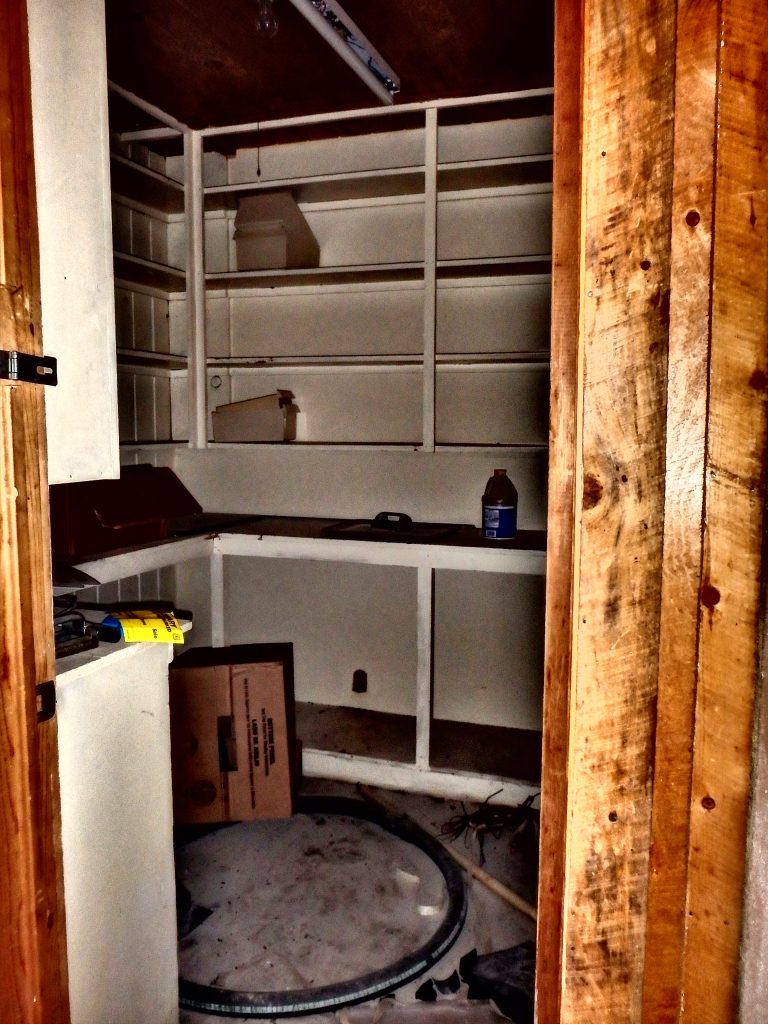
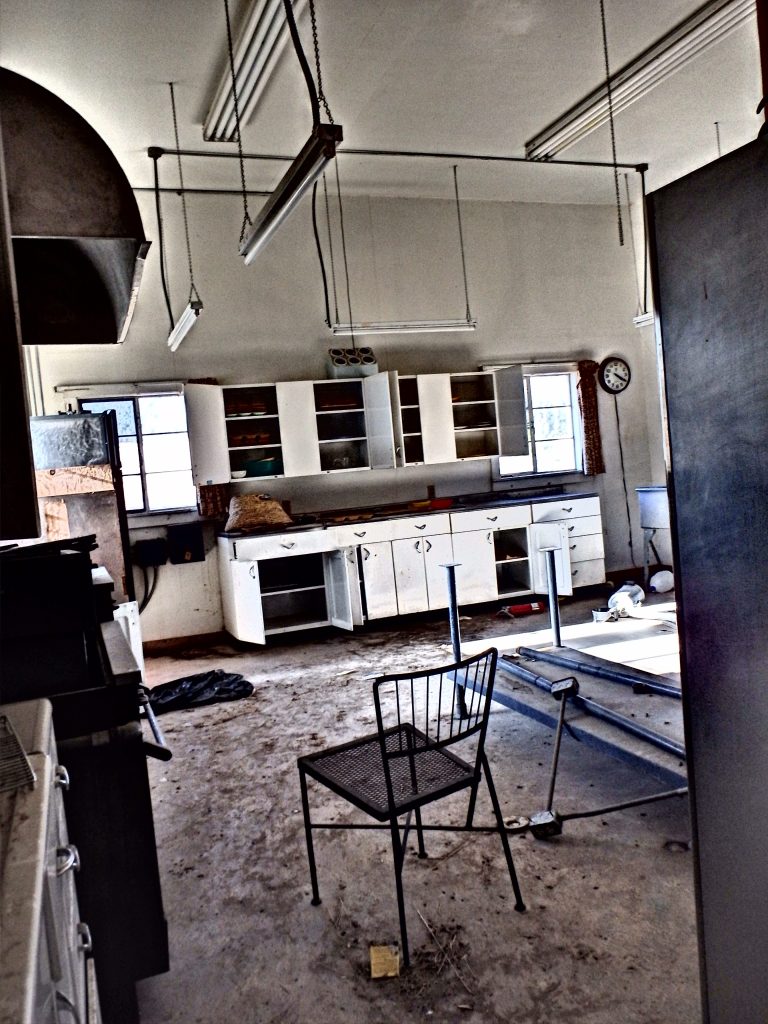
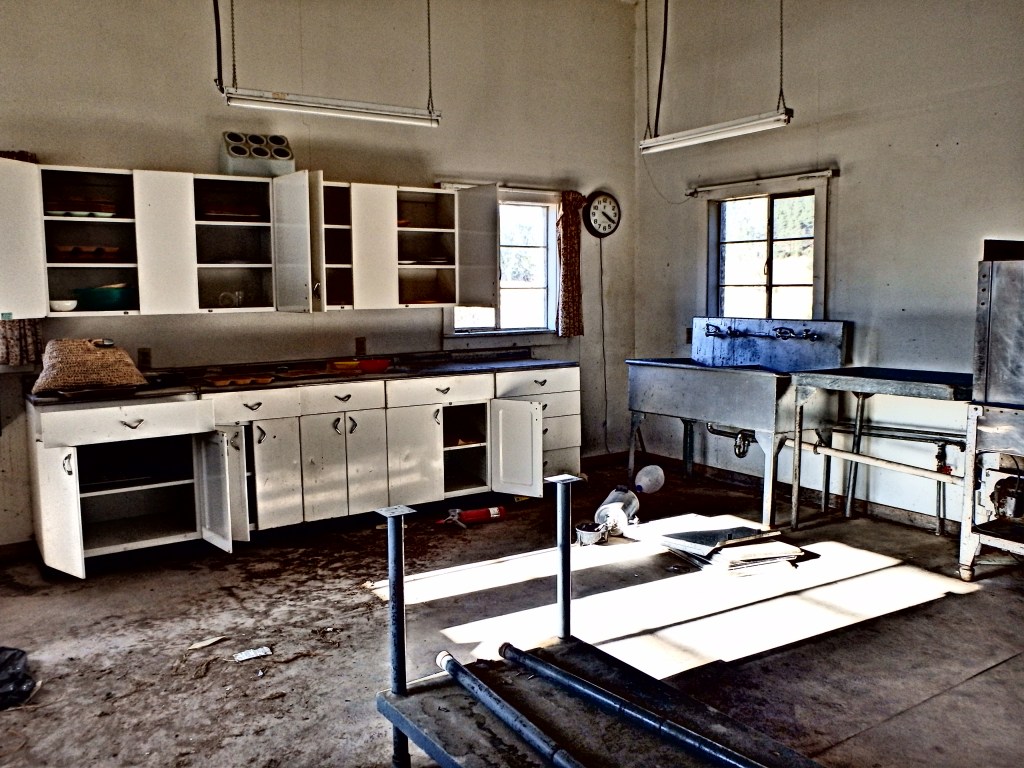
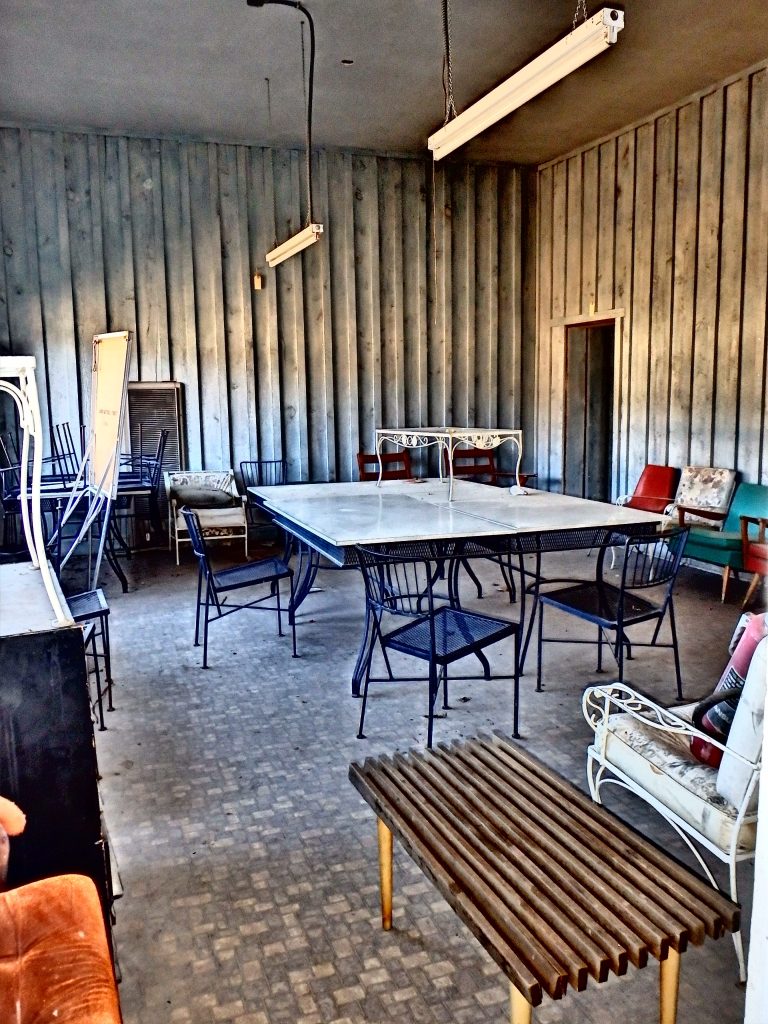
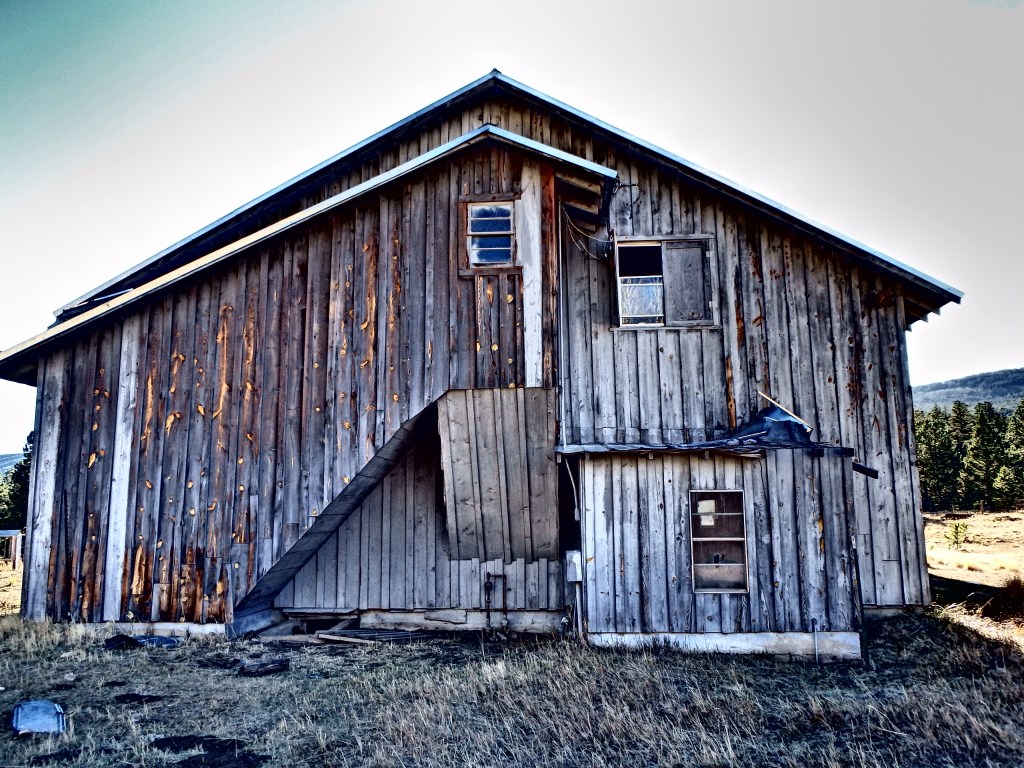
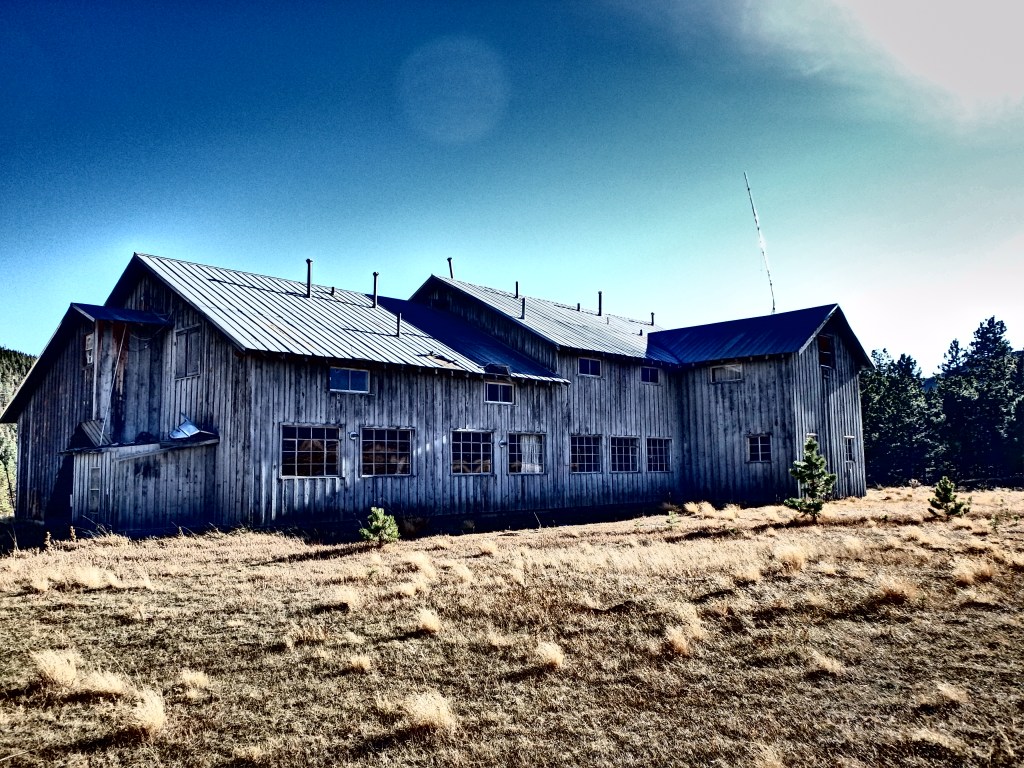
(The gallery above was taken on 10/18/2020 with my Olympus)
Why I Keep Coming Back
Most abandoned places tell their story fairly quickly.
You visit once, figure out what the building was, and move on.
Shuree Lodge is different.
I’ve visited the lodge three times now, and every trip has revealed something new. A room I didn’t notice before. A document left behind. Another clue about how the building may have been used.
The more I learn, the more questions I have.
Who stayed here?
When exactly was it built?
Was it originally part of the old Vermejo hunting operations?
How long did the Forest Service use it?
When was the final day someone checked into one of those numbered rooms?
Even after all my research, many of those questions remain unanswered.
Maybe that is why the place fascinates me so much.
Standing in the Meadow
The moment that stays with me isn’t inside the lodge.
It’s standing in the meadow and looking back at it.
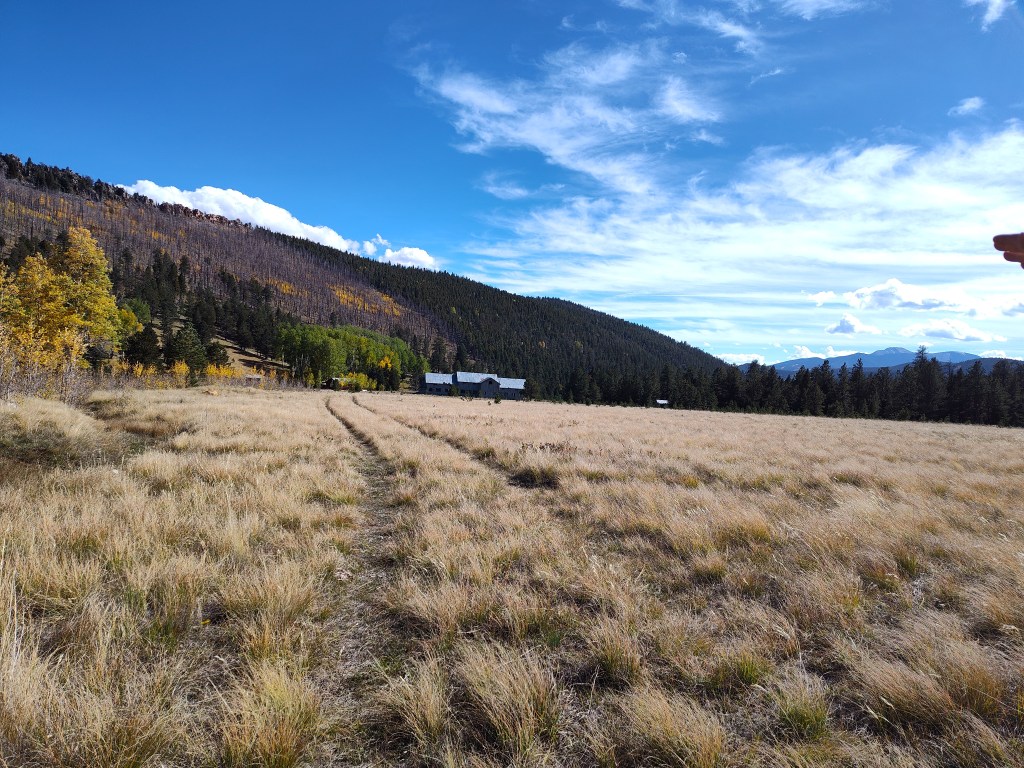
The building sits beneath the mountains with aspens glowing gold in the fall and forests stretching across the hillsides. Vehicle tracks still lead across the grass toward a building that once had a purpose.
It’s easy to imagine what life must have been like there decades ago.
Hunters returning from the mountains.
Employees gathering around tables in the dining hall.
Meals being prepared in the kitchen.
Lights glowing through the windows on a cold autumn evening.
Today, the lodge stands silent.
But despite all the unanswered questions, one thing is clear:
Shuree Lodge was once an important part of life in the Valle Vidal.
I just wish its walls could tell the rest of the story.
A Quick Note About Exploring Abandoned Places
If you decide to visit abandoned or historic places, please do so respectfully.
Places like Shuree Lodge are pieces of history. Every broken window, stolen artifact, spray-painted wall, or damaged room removes a little more of the story for future visitors and researchers.
My goal when exploring is simple: leave a place exactly as I found it.
Take photographs. Ask questions. Learn the history. But leave the artifacts, documents, furniture, and buildings untouched for the next person to discover.
Most importantly, always respect private property and posted trespassing signs. Some historic sites are located on private land, active government property, or protected areas. No photograph is worth violating someone’s property rights or putting yourself at risk.
The best explorers aren’t the ones who leave their mark behind. They’re the ones who leave no trace that they were ever there.
Do you know anything about Shuree Lodge? Have you visited it yourself or heard stories from people who worked there? I’d love to hear from you. Leave a comment and help piece together the history of one of northern New Mexico’s most fascinating abandoned places.

